
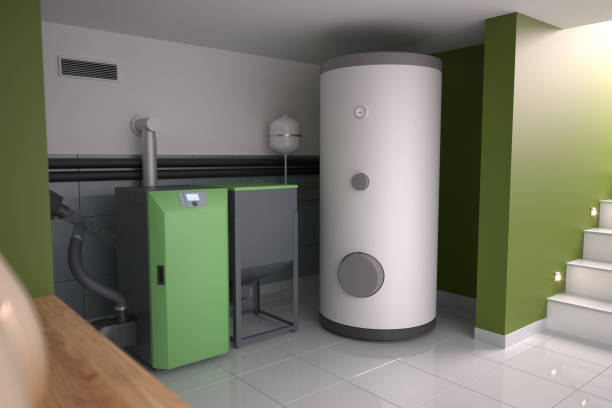
When considering a biomass heating system, it’s essential to compare different options to determine which one best suits your needs. Heizomat boilers are known for their advanced technology, durability, and efficiency. However, other biomass heating systems also offer unique features and benefits. This comparison will help you understand how Heizomat boilers stack up against other biomass heating systems.
Key Features of Heizomat Boilers
Before diving into the comparison, let’s summarize the key features that make Heizomat boilers stand out:
- Advanced Automation: Heizomat boilers feature sophisticated automation for fuel feeding, combustion, and ash removal, minimizing manual intervention.
- Fuel Versatility: These boilers can handle various biomass fuels, including wood chips, pellets, and agricultural residues.
- High Efficiency: With efficiency rates often exceeding 90%, Heizomat boilers optimize fuel use and minimize waste.
- Durable Construction: Built with high-quality materials, Heizomat boilers are designed for longevity and reliability.
- Low Emissions: Advanced combustion technology reduces emissions, ensuring compliance with environmental regulations.
Comparing Heizomat to Other Biomass Heating Systems
1. Efficiency
Heizomat Boilers: Known for their high efficiency, typically exceeding 90%. The advanced combustion system ensures optimal fuel use and heat output.
Other Biomass Boilers: Many biomass boilers offer high efficiency, but the performance can vary significantly between brands. Some may not match Heizomat’s consistent efficiency levels, particularly in handling different fuel types.
2. Automation and Ease of Use
Heizomat Boilers: Feature advanced automation systems for nearly hands-free operation, including automated fuel feeding and ash removal.
Other Biomass Boilers: Automation levels vary widely. Some models may offer basic automation, while others might lack the sophisticated systems found in Heizomat boilers, requiring more manual operation and maintenance.
3. Fuel Versatility
Heizomat Boilers: Capable of burning a wide range of biomass fuels, providing flexibility in fuel choice and potential cost savings.
Other Biomass Boilers: Some are designed to work with specific types of biomass, such as pellets or wood chips, limiting versatility. Switching fuel types might require significant adjustments or even different equipment.
4. Emissions and Environmental Impact
Heizomat Boilers: Engineered to minimize emissions, often surpassing stringent environmental standards, which is crucial for reducing the carbon footprint.
Other Biomass Boilers: Emission levels can vary, with some models not performing as well in reducing pollutants. This variance makes Heizomat boilers a better choice for environmentally conscious users.
5. Durability and Maintenance
Heizomat Boilers: Known for robust construction and longevity, requiring regular but relatively straightforward maintenance due to their automated systems.
Other Biomass Boilers: Quality and durability can vary. Some may require more frequent maintenance and have a shorter lifespan compared to Heizomat boilers, potentially increasing long-term costs and downtime.
6. Cost and Investment
Heizomat Boilers: Generally come with a higher initial cost due to their advanced features and build quality. However, long-term savings in fuel efficiency and reduced maintenance can offset the upfront investment.
Other Biomass Boilers: Often less expensive initially, but may incur higher operational costs over time due to lower efficiency, higher maintenance requirements, and shorter lifespans.
Specific Competitors
ETA Boilers
Efficiency: Comparable to Heizomat, with high efficiency and advanced technology.
Automation: Strong automation features, though Heizomat may have an edge in fuel versatility.
Fuel Versatility: Similar versatility, with options for various biomass fuels.
Durability: Also known for robust construction and reliability.
Froling Boilers
Efficiency: High efficiency, comparable to Heizomat.
Automation: Advanced automation systems, although Heizomat’s may be more user-friendly.
Fuel Versatility: Good versatility, though Heizomat’s system is often more adaptable.
Durability: Durable and reliable, but Heizomat’s build quality is often regarded as superior.
Windhager Boilers
Efficiency: High efficiency but may not reach Heizomat’s peak performance.
Automation: Good automation, though Heizomat excels in ease of use and minimal manual intervention.
Fuel Versatility: Generally less versatile compared to Heizomat.
Durability: Reliable, but Heizomat’s reputation for longevity often makes it the preferred choice.
Conclusion
Heizomat boilers offer a robust and efficient biomass heating solution with advanced automation, high fuel versatility, and low emissions. While they come with a higher initial cost, the long-term benefits in efficiency and durability often justify the investment. When compared to other biomass heating systems like ETA, Froling, and Windhager, Heizomat consistently stands out in terms of automation, fuel flexibility, and overall performance.
So, let’s discuss: What specific heating needs do you have? Are you looking for a system that requires minimal maintenance, or is fuel versatility your top priority? Share your requirements, and let’s explore how Heizomat or other biomass heating systems can meet your needs most effectively.
Apart from that, if you are interested to know about The Role of Low Code Application then visit our Tech category.


